The human · 2 min read
The human — judgement on the record
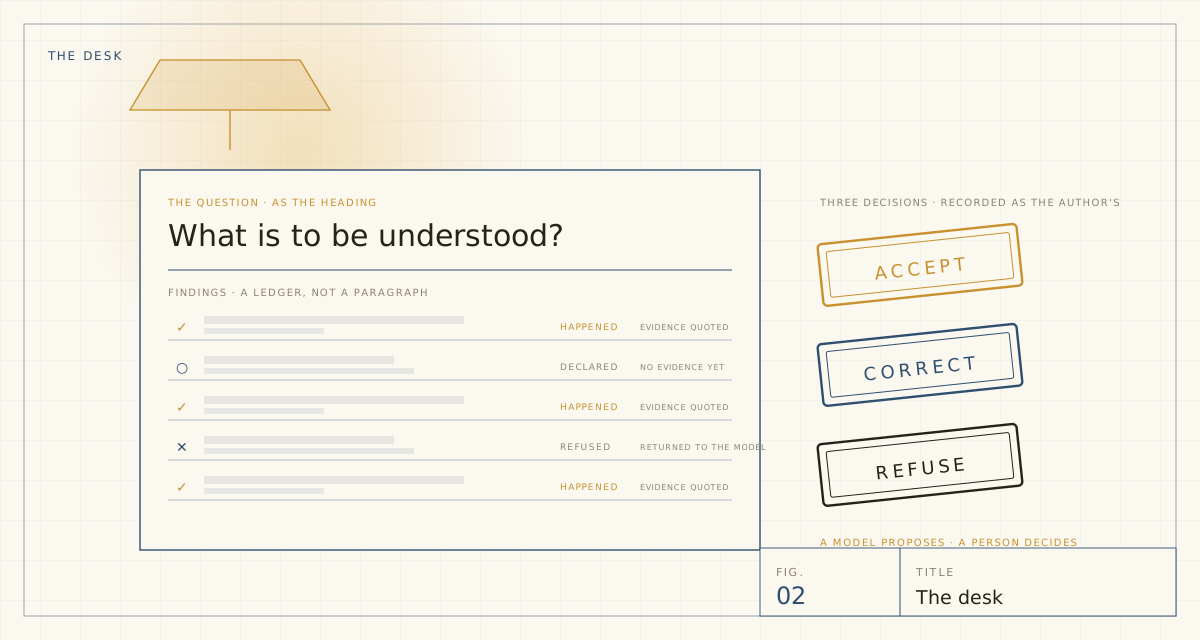
In an algorithmic company, a person's part is judgement: asking, accepting, correcting and refusing — with every act recorded as theirs.
What stays human
- The question — what is to be understood, in the author's own words.
- The decision: to accept, correct or refuse what a model or a process proposes.
- The responsibility for what is published under the author's name.
How a practice becomes capability
A practice begins as luck. It becomes a habit: it works, and nobody can say why. At the third level it can be explained — a method another person can carry. Explanation is the line that matters: what can be explained can be taught, tested and written into a process. Above it, the practice can be measured, and later improve itself.
What a person works with
A study. It opens with a question; material is read against it; findings are kept as a ledger, each with its status — what happened, or what was only declared — and the evidence it rests on. Every line of the final document keeps the history of how it got there.
In the capsule of responsibility
Every act of a person is recorded as theirs, by name and in order. A model is a partner that proposes; it never accepts in a person's place. What the record shows is who asked, who answered, and who decided.