The algorithm · 2 min read
The algorithm — work as a declared sequence
In an algorithmic company, work that repeats is written down as a sequence of steps that can be run, checked and improved.
What an algorithm is here
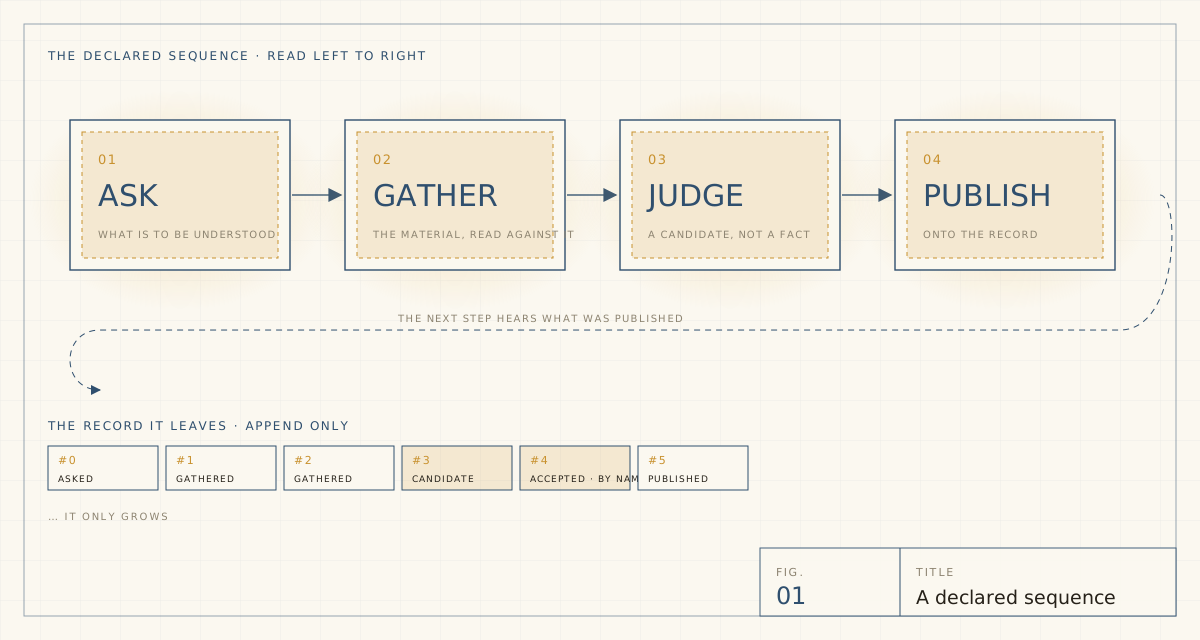
An algorithm is a declared sequence: what is asked, what is gathered, what is judged, what is published. It is written before the work runs, in a form a machine can follow and a person can read.
Why it is declared
A sequence that is written down can be run again, by another person or by a machine, and can be checked against what it was meant to do. A sequence that lives in one head cannot be checked or handed on. The line between the two is the line between a habit and a method.
How it runs
- Each step leaves a record: what it received, what it did, what it produced.
- A step that needs the world — a document, a model, a service — asks for it and waits for the answer.
- What comes back is a candidate, not a fact, until a person accepts it.
- What is accepted is published onto the record, where the next step can hear it.
Where it lives
In a person's own practice first. Then in a process, so that the workflow holds the sequence independently of the person who first carried it. Then in the organisation, as a norm that is provided, governed and improved. The same sequence can be read at all three scales.
In the capsule of responsibility
An algorithm carries its author, its version and its evidence. What it did is on the record, with the name of whoever accepted each result. A model can propose a step or a result; the decision stays with a person.